The current state of allergen management in food manufacturing
Managing allergen risk remains one of the most complex and high-stakes responsibilities in food manufacturing. Getting it right is key to protecting your consumers, brand and bottom line.
People with food hypersensitivities depend on food and drink producers to make sure what they consume is safe. According to the National Center for Biotechnology Information, an estimated 250 million people worldwide are affected by one or more food allergies.
Across the UK and Europe, allergen-related labelling errors or cross-contamination incidents remain the top cause of product recalls. In the US, recent research shows that labelling errors are now the leading driver of recalls, costing the industry an estimated $1.92 billion.
In this article, we look at today’s regulations and the practical steps you can take to reduce allergen-related recalls, strengthen compliance and build greater trust with your consumers.
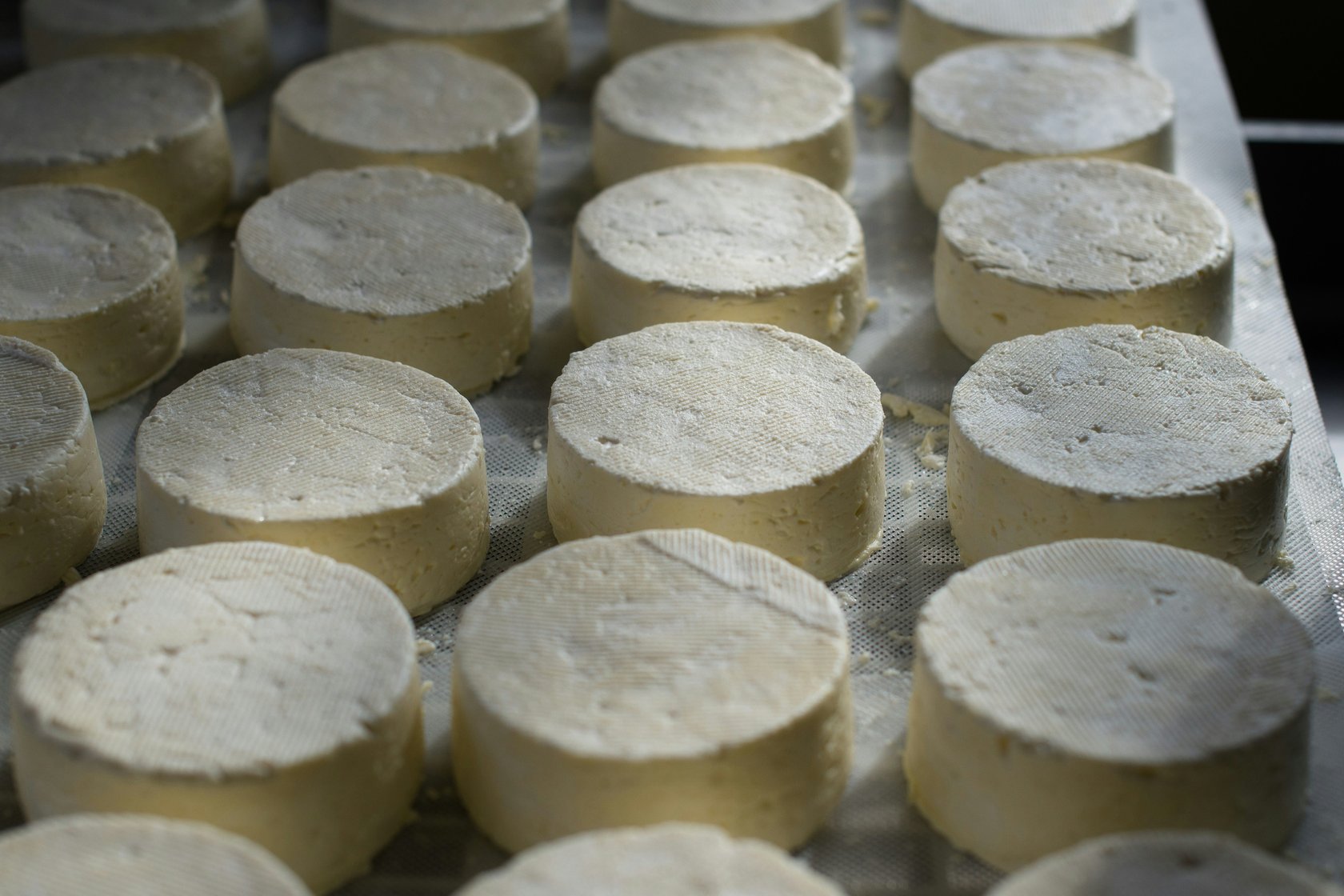
What are the rules for allergens in food production?
In the UK and Europe, 14 food allergens are legally regulated, and any prepacked product containing one or more of them must clearly highlight these in the ingredients list. This can be done using capital letters, contrasting text or similar formatting, including when an ingredient itself contains an allergen, for example: BUTTER (MILK).
If a product doesn’t have an ingredients list (such as wine) the allergen must still be declared with a clear statement like “Contains sulphites”.
In the US, the FDA’s FALCPA and FASTER Act require clear labelling of the nine major food allergens (including sesame, which became mandatory in 2023). As in the UK and EU, food allergens must be highlighted in the ingredient list or shown through a simple “Contains” statement.
There are also rules outside of labelling that applies to how you store and handle products. For example:
- Ingredients or work-in-progress that aren’t in their final packaging shouldn’t be stored above non-allergen products to avoid accidental contamination.
- Production equipment must be thoroughly cleaned after running allergen-containing products and before switching to non-allergen batches.
How to stay compliant with allergen rules in food production
Effective allergen control requires a consistent approach across your entire operation, from product development to intake, storage, production and packaging. A good starting point is having a robust NPD process and tight control of your master data.
When creating or updating a product, you need a clear workflow that ensures all information is accurate and consistent. That includes checking that the bill of materials (BOM) matches the ingredients list, and that every allergen present in the BOM is correctly declared on the finished product label.
Allergen control continues at goods-in. You can set up quality orders to automatically trigger checks for products containing food allergens. This might include verifying labelling, performing basic quality tests, or reviewing the supplier’s certificate of analysis (CoA). With the right tools, AI can read the CoA, extract allergen and batch information, update the batch record with attributes such as expiry dates, and store a digital copy for traceability.
AI can support high-value use cases across your food business, from quality checks to forecasting and waste reduction.
AI’s capabilities go far beyond allergen control. It can help you improve decision-making across your business and enable several high-value use cases, from quality assurance and planning to waste reduction and overall efficiency.
Once materials are received, the warehouse team should be directed to the correct storage location to minimise the chance of cross-contamination with non-allergen stock. During production planning, sequencing can significantly reduce both the risk of contamination and the need for extensive cleaning.
If you produce several variants of the same product, you can run non-allergen batches first and allergen-containing batches last. That way, a full allergen clean down is only required at the end of the sequence.
For packaging, finished goods labels should be printed directly wherever possible (unless pre-printed packaging is used). This helps ensure the ingredient declaration is correct and up to date. You can choose to store allergen-containing ingredients in capital letters within your master data or configure your labelling software to apply contrasting formatting automatically.
You can also set up a quality order at the packaging stage to validate that the label is correct and that packaging is sealed properly, reducing the risk of contaminating other products. As an additional safeguard, a final quality check can be carried out when products are picked for dispatch, making sure the correct label and packaging are being used for the right order.
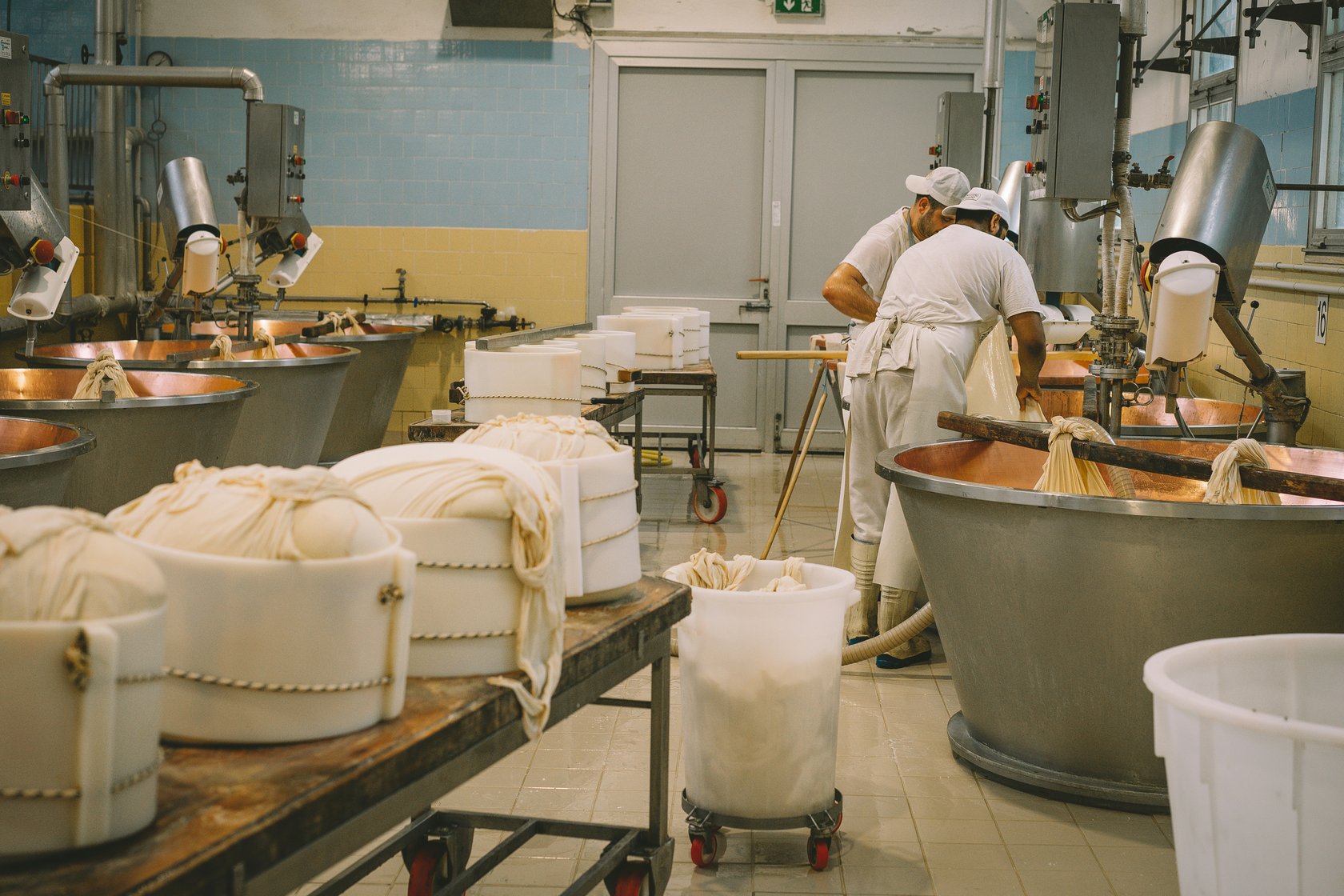
What if an allergen issue occurs?
Even if you follow the procedures we’ve outlined, mistakes can still happen. If a product is contaminated with an undeclared allergen or has been labelled incorrectly, you must be able to trace and act on the issue quickly.
Batch tracing gives you clear visibility of where affected products have been shipped, which customers received them and whether any remaining stock is still in your warehouse. With AI-driven tools, you can automate much of this process, from identifying impacted batches to notifying customers and blocking remaining stock to prevent further distribution.
An effective corrective and preventive action (CAPA) process helps you understand what went wrong and prevent the issue happening again.
Beyond the mandatory regulations, there are additional steps you can take to reduce risk and improve transparency for consumers.
For example, voluntary labelling guidelines allow you to add advisory statements such as “may contain traces of…” when it isn’t possible to completely eliminate the risk of cross-contamination. While not a substitute for good manufacturing practice, these warnings can help consumers make more informed decisions.
It’s also worth remembering that the 14 regulated food allergens in the UK and Europe and nine major food allergens recognised in the US aren’t the only ingredients people may react to. Some consumers have allergies to items like apples, peas or kiwis. Highlighting these ingredients voluntarily can demonstrate transparency and build trust with customers who have less common allergies.
Visual cues can also help. Many brands now use simple icons to indicate the presence of specific food allergens, which some consumers may already recognise from restaurant menus and foodservice settings.
A 2D barcode or QR code can be added to link to a product information page. This gives consumers access to more detailed allergen and ingredient information, helping them assess whether the product fits their requirements.
Strengthen your approach to allergen control in food production
Stronger allergen controls come from good planning, dependable processes and a culture of continuous improvement. These factors help protect your consumers and strengthen your brand.
At Columbus, we help food and beverage manufacturers adopt the right culture, put the right processes in place and implement the technologies they need to deliver measurable results. Whether you’re looking to improve allergen management, gain real-time supply chain visibility, reduce waste, or foster stronger collaboration with suppliers and customers, we can guide you towards the best-fit solution for your business.
And with our expertise in AI and machine learning — tools that are becoming increasingly accessible to the food industry — manufacturers now have opportunities to improve a wide range of their operations. This ranges from demand forecasting and production planning to quality assurance, maintenance, inventory optimisation and wider operational efficiency.
If you’re ready to see how you can take the next step, contact us by clicking the button below.
